AEO Methodology: Inside the AI SEO Auditor Logic
Answer Engine Optimization (AEO) is a specialized methodology used to structure web content for better retrieval by AI systems like ChatGPT and Google’s AI Overviews. This process complements traditional SEO by focusing on technical clarity, structured data, and concise definition blocks to maximize a page’s citable potential.
Traditional SEO is not going anywhere. High-quality backlinks and keyword relevance remain the foundation of digital growth. However, as search behavior shifts toward conversational AI, your SEO strategy needs a new layer of sophistication. We have entered an era where being “discoverable” is no longer enough—you must be “citable.”
That is exactly why we built the AI SEO Auditor.
We introduced the AI-Readiness Score to give you a single, data-driven metric. It tells you exactly how likely a page is to be recommended by these new systems. Unlike “black box” tools that give you vague advice based on hidden variables, our methodology is different. It is deterministic. It is rule-based.
By analyzing your content through transparent technical logic, we give you an empirical roadmap to fix your site.
Here is a look inside our methodology and how we analyze the most critical piece of the puzzle: Answer Engine Optimization (AEO).
Table of Contents
The Architecture of Authority
AEO is the cornerstone of our AI-Readiness Score.
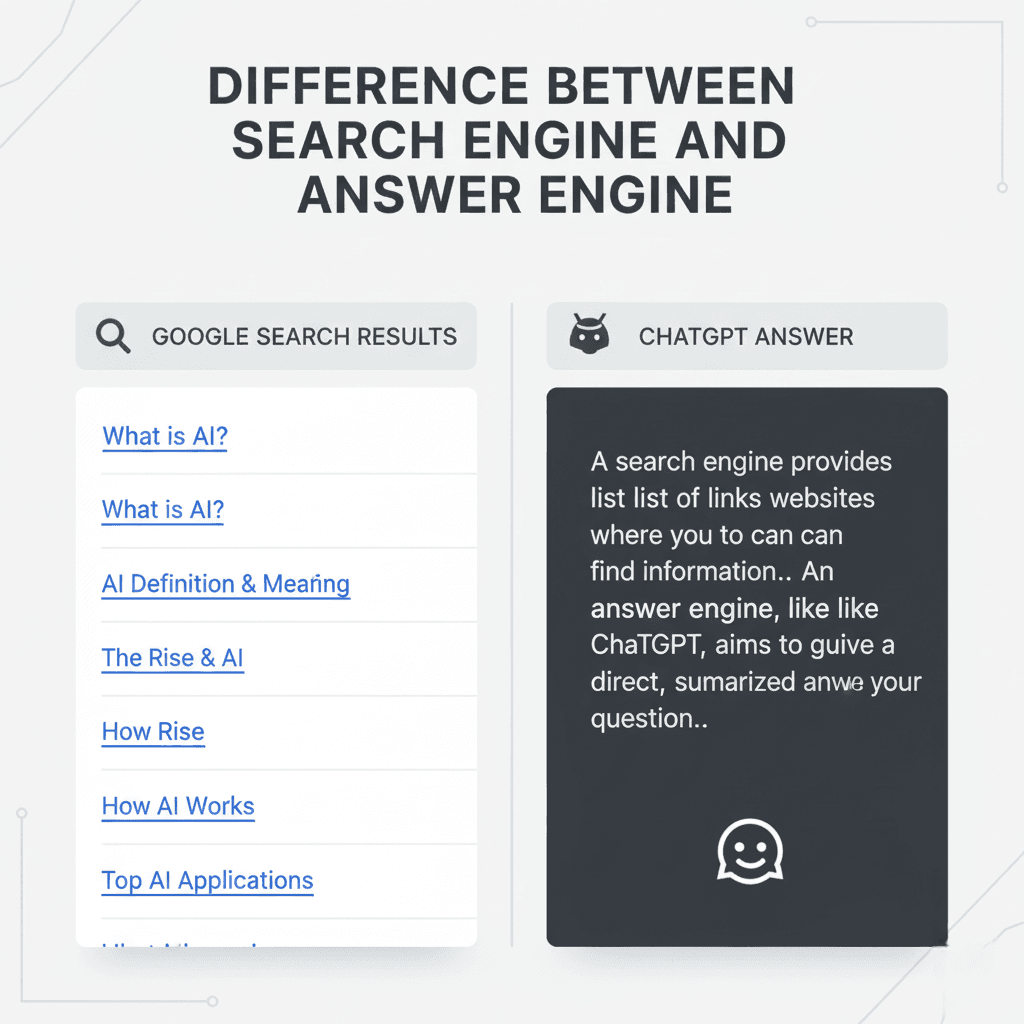
This pillar reflects the massive shift toward voice search and the battle for “Position Zero.” When an AI assistant or a search engine retrieves an answer, it does not look for the most beautiful prose. It looks for content that is pre-structured for immediate delivery.
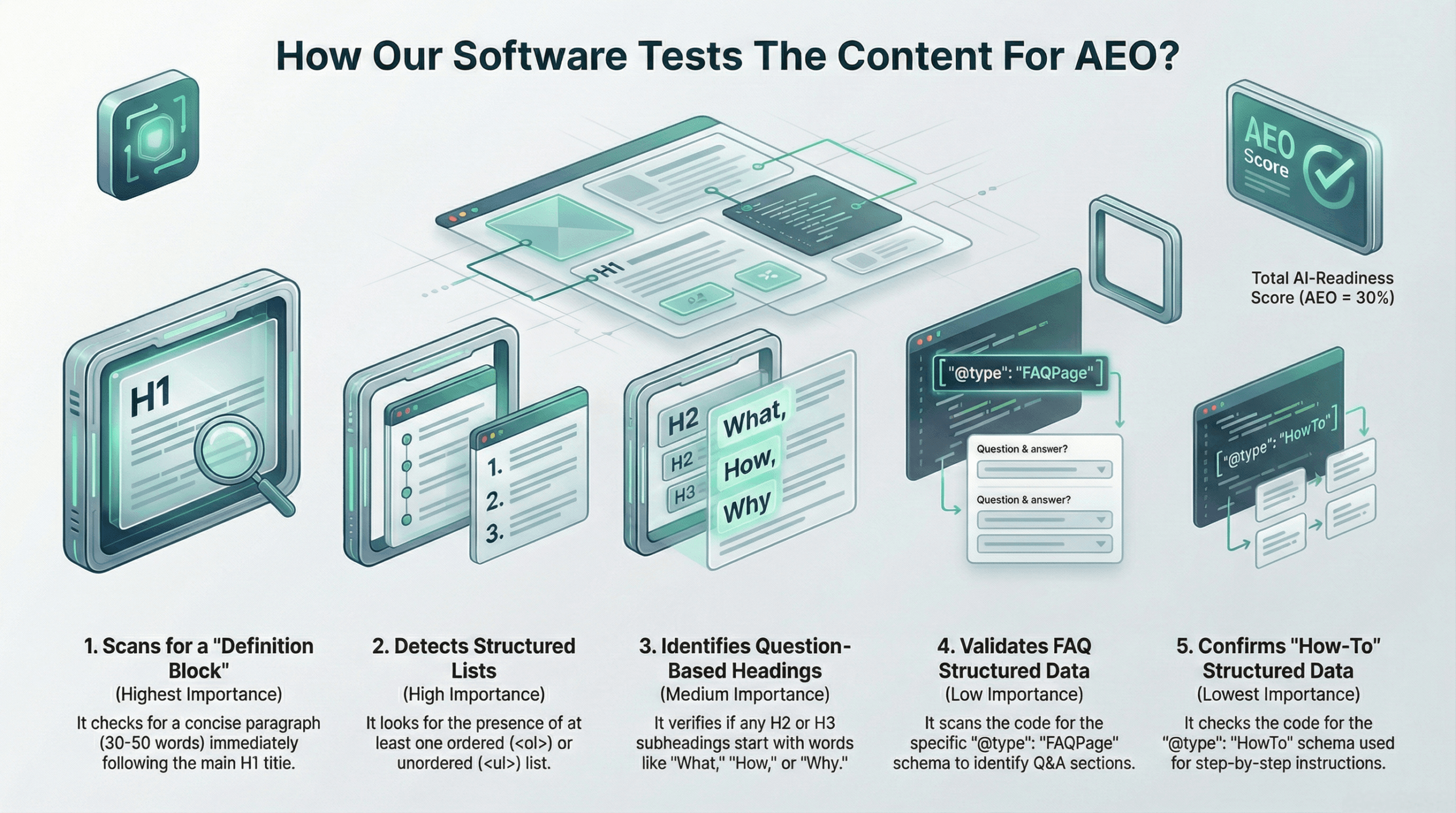
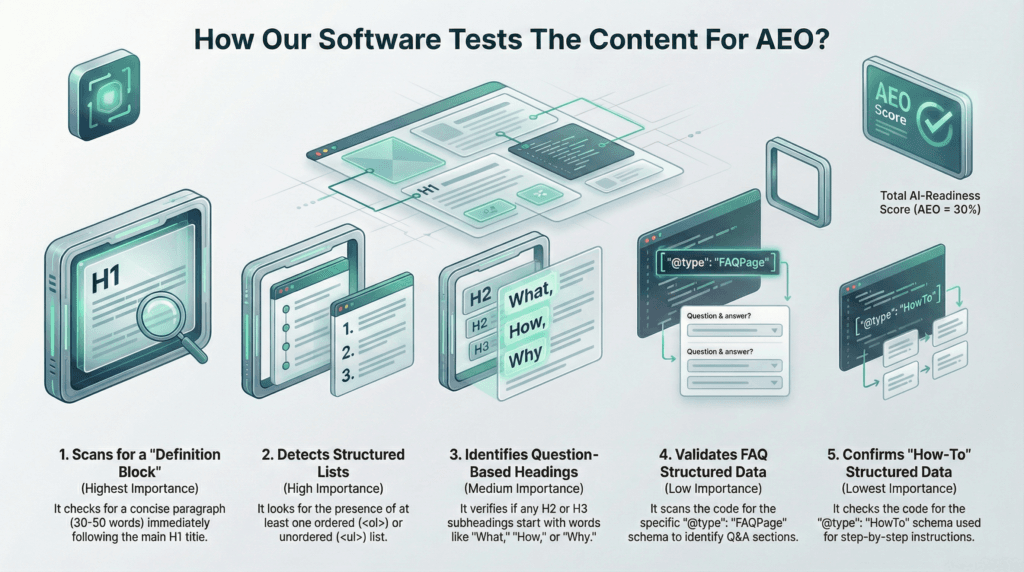
Our engine evaluates your AEO performance through five proprietary technical checks. We prioritize these based on their impact on AI retrieval:
- Answer Target Presence: Do you have a concise “Definition Block” right where it belongs?
- Structured Readability: Are you using HTML list formats to make step by step instructions clear?
- Query Intent Alignment: Do your subheadings match the natural language people actually use?
- Machine-Readable Metadata: Is your FAQPage and HowTo Schema present and valid?
Let’s dig deeper into the specific signals we analyze.
The “Definition Block” (Answer Target)
The most critical signal within the AEO pillar is the Answer Target. You might know this as the “Definition Block.”
This targets the specific format that AI Snapshots prefer. By providing a direct, no-nonsense answer immediately following your main title, you signal to AI crawlers that you hold the primary solution to the user’s query.
Our engine uses rigorous internal logic to validate if you are doing this correctly:
- H1 Localization: First, the engine identifies the primary title of the page.
- Context Isolation: Next, it analyzes the structural relationship between that title and the body text immediately following it.
- Algorithmic Verification: Finally, the software strips away HTML noise to isolate the raw text and performs a precise word count.
The Goal: Our research shows there is a specific word count range that acts as a “sweet spot” for AI extraction. If your content falls within this range, we flag it as high priority for citations. If it is too short or too verbose, we flag it for refinement. This ensures you are not overlooked by LLM parsers.
Structural Signals: Lists and Natural Language Q&A
Beyond that initial definition, the structure of the rest of your content determines if you get picked up for voice search or “How-to” snippets.
Our auditor evaluates your structural readability through two primary deterministic scans.
1. Logic-Based List Detection The engine scans your HTML architecture for unordered and ordered list structures. AI engines favor these formats heavily. They provide a clear framework that the AI can easily parse and synthesize into bulleted points within a snapshot.
2. Interrogative Heading Analysis This check evaluates if your subheadings mimic natural language user intent. We look for subheadings that begin with interrogative “trigger words.” This ensures your content aligns with the patterns found in “People Also Ask” (PAA) boxes. This mapping is essential for LLMs to connect specific user questions to relevant sections of your page.
The Technical Foundation: Machine-Readable Schema
On-page structure is vital for extraction, but technical metadata provides the necessary confirmation for crawlers.
Our methodology validates JSON-LD structured data to ensure your “Provenance Chain” is intact.
- FAQPage Validation: The engine identifies dedicated question and answer blocks. This reinforces the page’s role as a reference source for general queries.
- HowTo Process Definition: The software identifies specialized markup designed for instructional tasks. Smart displays and voice assistants explicitly prioritize this.
Together, these technical checks ensure your content is fully optimized for the backend systems that power modern answer engines.
Beyond the Audit
The AI SEO Auditor methodology represents a shift in mindset. We are moving from speculative “ranking” to providing a tactical, actionable blueprint.
By focusing on Answer Engine Optimization, our software offers agencies and brands a consistent way to measure their presence in the generative search landscape. The value here is absolute transparency. We do not offer vague suggestions. We provide the technical data you need to refine pages into high-fidelity “primary sources.”
By adopting these AEO principles today, you ensure your visibility and authority throughout the next decade of AI-driven search.
🚀 Ready to see your AEO score?
Stop guessing if your content is “AI-Ready.” Run a deterministic scan today and get a white-labeled report for your site or your clients.
You may also want to read about: